


"A household located in North London wants to find an remarkable and skilled instructor to assist their smallest child on his initial journey to growing into an English gentleman."
When reading this post, you might readily skip the phrase "beginning" as simple a turn of phrase.
However, it may be the crucial element of this unique employment listing, as it aims to recruit a teacher for a 12-month-old.
Hundreds of submissions have now been submitted since the anonymous family published their search for the £180k-a-year tutor, who must be "an exceptional individual".
Over the last few weeks, the advert has gained interest throughout the media, with several questioning why?
Innovative Idea
A tutoring expert, CEO and founder of an education consultancy, which is assisting the family in their hunt, explained that in spite of initial skepticism, he considered the plan "forward-looking", and "innovative".
When he consulted the family, he mentioned they recognized the unusual nature of their request, and how early in age their son is.
But, they explained that they "didn't want to wait any longer" to engage a tutor, as they had postponed until their elder sibling was five, and by that stage "cultural influence had already become established".
But what did the family mean by "cultural bias"?
It's "comprehensive", he answered. "How you eat, the manner you speak".
He explained the older sibling had adopted "extremely delicate, unspoken signals" from the family, and had taken on their cultural habits. The family told the consultant they hoped to prevent the same situation to happen again with their infant.
The plan: To hire a British tutor, who must speak with RP, to influence the baby right from the beginning.
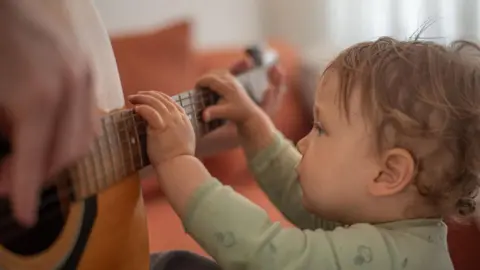
Osmotic Learning
"A great deal of the learning at the beginning here is rather absorbed naturally," said the expert.
It's through this natural absorption that the family are aiming the child will pick up the UK customs they want to instil.
Adam explained the tutor needed to be somebody who attended "the appropriate educational institutions – the same kinds of schools as the family plan to send their son to".
"The instructor just has to be the appropriate candidate, they'll be doing things they don't even know they're doing, effortlessly," he commented.
Money No Object
The family told the expert the selected educator should ideally also have understanding of or passion in riding, skiing, artistic pursuits and instrumental training so as to inspire the child in a diverse set of interests.
Additionally though, he said the family hoped the tutor to enrol the child on a range of lessons so the child would be "horseback riding and picking up an musical instrument by the time they are about three years old".
In the family's perspective, guiding their son grow into a "UK sophisticate" will result in success and provide access.
"Considering the rights and wrongs of that, because it's certainly a class statement," he notes.
But, in spite of all this instruction in "Britishness", would the child absorb alleged cultural leaning from the multicultural family he lives with anyway?
"Certainly", replied he. "They understand this could fail, but they've just taken the view of, 'why not attempt it and let's go as soon as we can', because the cost of it is irrelevant," he said.
Idealistic and Unrealistic
There are some in the private teaching field who share similar doubts.
Another CEO, chief executive of a tutoring service, who supplies private tutors, commented that "the journey of adopting dual cultures, or actually, discovering oneself, is something that must be experienced personally, not engineered."
The expert wrote that he had moved from Asia to the Britain at the age of 7 years old, and had been educated knowing and living two backgrounds. He continued to learn at Cambridge University.
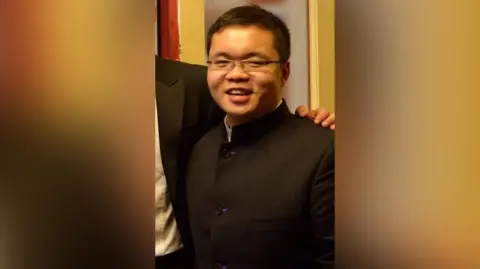
"The concept that an individual can serve as a representation of English culture, an individual who can possibly transplant the attributes of a UK sophisticate upon a one-year-old child, strikes me as naive and unrealistic," he commented.
"In my experience, having a quintessentially UK tutor from infancy will will not automatically achieve the result they hope for.
"I never had such a tutor, and nevertheless I have been lucky enough to experience numerous of the situations they aspire for their son."
He stated: "The fact is, cultural identity should not be dictated from the outside influences; it must be selected, and it must come from within."
Acquiring Englishness
Certainly, UK identity is something the CEO believes can be instructed – and sold.
"I believe the reality that the world holds us in this regard is something that we should be cherishing|valuing|appreciating


